
As Bankruptcy laws update 2025 takes center stage, this update is crucial for anyone navigating the complexities of financial distress. With significant changes on the horizon, it’s essential to understand how these updates will reshape the bankruptcy landscape for individuals and businesses alike.
The upcoming changes are set to influence everything from filing procedures to the roles of bankruptcy lawyers, making it imperative for stakeholders to stay informed. This overview aims to demystify the new regulations and provide insight into their potential effects on future bankruptcy proceedings.
Recent Changes in Bankruptcy Laws
The bankruptcy laws are poised for significant updates in 2025, reflecting the evolving economic landscape and the need for a framework that better accommodates both individuals and businesses. As these new regulations roll out, understanding their implications becomes crucial for anyone involved in the bankruptcy process.The upcoming changes aim to streamline the bankruptcy filing process while providing enhanced protections and considerations for debtors.
One of the primary adjustments includes alterations to the eligibility criteria for Chapter 7 and Chapter 13 bankruptcies, making it easier for individuals to qualify based on their current financial situations. Additionally, there will be adjustments to the exemption limits which may allow individuals to retain more assets while navigating bankruptcy.
Eligibility Criteria Adjustments
The 2025 updates will introduce modifications in the eligibility criteria for bankruptcy filings, particularly under Chapters 7 and
13. These changes are designed to provide relief to more individuals who may find themselves overwhelmed by debt. Here are the key points regarding these adjustments
- Chapter 7 eligibility will see an increase in income thresholds, allowing more individuals to qualify for liquidation bankruptcy.
- For Chapter 13, the debt limits will rise significantly, facilitating higher amounts of secured and unsecured debts, thus making this option more accessible to individuals with larger financial burdens.
- The means test calculation will also be refined, which assesses the ability of a debtor to repay their debts, taking into account more recent cost-of-living adjustments.
Asset Exemption Enhancements
One of the most impactful changes in the bankruptcy laws is centered around asset exemptions. Adjustments to these exemptions will allow debtors to retain a greater range of assets, which can alleviate the stresses of financial distress.
- The exemption limits for home equity will be increased, enabling homeowners to keep a larger portion of their home’s value during bankruptcy proceedings.
- New exemptions will be introduced for retirement accounts and educational savings plans, providing a safeguard for individuals preparing for their future.
- Debtors will also benefit from enhanced protections for personal property, including vehicles and essential household items, ensuring that basic living standards are maintained.
Procedural Updates for Legal Practitioners
Legal professionals must stay informed about procedural updates that accompany the new bankruptcy laws. These changes will require adjustments in how attorneys prepare and file cases on behalf of their clients.
- Virtual court appearances will become more standardized, enhancing the efficiency of bankruptcy hearings and allowing greater accessibility for debtors.
- Mandatory financial counseling sessions will be expanded, with new requirements for clients to complete additional educational courses before filing, aimed at preventing future financial distress.
- New documentation requirements will be enforced, necessitating that all filings include detailed disclosures of financial affairs, ensuring transparency in the bankruptcy process.
Impact on Bankruptcy Proceedings
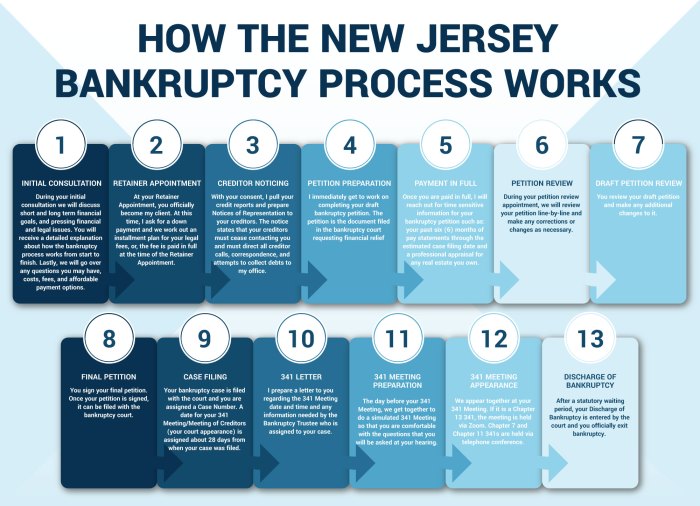
The recent updates to bankruptcy laws in 2025 are poised to significantly reshape the landscape of bankruptcy proceedings. These changes aim to streamline processes and enhance transparency, ultimately affecting how cases are handled from initiation to resolution. Understanding these implications is crucial for debtors, creditors, and legal practitioners alike, as the efficiency of bankruptcy proceedings can directly impact financial recovery and stability.The new laws introduce modifications that can alter the timeline and procedures of bankruptcy cases.
One notable change is the acceleration of the initial filing process, allowing debtors to submit their cases more quickly. Moreover, the introduction of digital filing systems simplifies document submissions, which may shorten the time taken for courts to process cases. These enhancements not only aim to reduce backlog in the court system but also provide easier access for all parties involved.
Changes in Timeline and Processes
The recent legislation brings a variety of changes that will impact the timelines and processes across different types of bankruptcy cases. To illustrate, here are some key modifications that will likely influence the proceedings:
- Faster Initial Filings: Debtors can now file for bankruptcy with fewer required documents upfront, expediting the process.
- Streamlined Communication: Enhanced electronic communication between debtors and the court can result in quicker responses and resolution times.
- Mandatory Mediation: Certain cases may require mediation before a court hearing, potentially reducing litigation time.
- Increased Use of Technology: The adoption of online platforms for hearings and submissions could facilitate quicker case processes and reduce physical court appearances.
These adjustments aim to create a more efficient system, benefiting both debtors and creditors. However, along with these efficiencies, there are potential challenges that could arise from the new laws.
Challenges Arising from the Updates
While the updated bankruptcy laws promise improvements, several challenges may emerge during their implementation. The key concerns include:
- Accessibility Issues: Not all debtors may have equal access to technology, potentially hindering those without reliable internet or digital literacy.
- Increased Complexity: As processes become more streamlined, the nuances of new procedures might confuse some debtors, leading to mistakes in filings.
- Resource Allocation: Courts may face challenges in adapting to the new systems, with staff needing training and resources for proper implementation.
- Potential Backlogs in Mediation: Mandating mediation could inadvertently lead to delays if there aren’t enough trained mediators available.
The effective balancing of these improvements and challenges will be critical in determining the overall success of the bankruptcy system post-2025.
Comparison of Old Bankruptcy Laws and Updated Version
A side-by-side comparison of the old and new bankruptcy laws illustrates the key shifts in focus and execution:
| Aspect | Old Bankruptcy Laws | Updated Bankruptcy Laws (2025) |
|---|---|---|
| Filing Process | More extensive documentation required upfront | Reduced initial document requirements for faster filings |
| Communication | Primarily paper-based and in-person | Increased reliance on digital communication and filings |
| Mediation Requirement | Optional; not commonly used | Mandatory in some cases, aimed at reducing court congestion |
| Technology Use | Minimal technology integration | Significant emphasis on online systems for filings and hearings |
This comparison highlights how the revised laws are not only aiming for efficiency but also attempting to address underlying issues faced by debtors and creditors in previous processes. The focus on modernization could lead to a more user-friendly bankruptcy experience if implemented effectively.
Role of Bankruptcy Lawyers in 2025
As the landscape of bankruptcy law evolves in 2025, the responsibilities of bankruptcy lawyers are also changing significantly. The updated regulations require legal professionals to adapt quickly to effectively assist clients navigating the complexities of the new laws. This transformation is not just about understanding the changes; it also involves enhancing their skill sets and expanding their knowledge base to provide comprehensive support.In light of the new laws, bankruptcy lawyers must take on a broader range of responsibilities.
This includes not only traditional roles such as filing petitions and representing clients in court but also engaging in proactive financial counseling and strategic planning. A shift towards a more collaborative approach with clients is essential, where lawyers work to educate and equip individuals and businesses about the implications of the new regulations.
Evolving Responsibilities of Bankruptcy Lawyers
The evolving responsibilities of bankruptcy lawyers in 2025 reflect the need for a more holistic approach to client representation. Some of the key aspects include:
- Client Education: Lawyers are expected to not only advise clients but also educate them about their rights and the implications of bankruptcy under the new laws.
- Financial Planning: Assisting clients in creating sustainable financial recovery plans beyond just the bankruptcy process is becoming crucial.
- Negotiation Skills: Enhanced negotiation skills are necessary to effectively advocate for clients during debt settlements and repayment plans.
- Technological Proficiency: Familiarity with digital tools and platforms that facilitate bankruptcy processes is increasingly important.
Essential Skills and Knowledge for Bankruptcy Lawyers
To effectively navigate the updated regulations, bankruptcy lawyers must acquire a diverse set of skills and knowledge. Some of the essential areas include:
- Comprehensive Understanding of Updated Laws: Lawyers must stay informed about the recent changes in bankruptcy laws to provide accurate advice.
- Analytical Skills: Strong analytical skills are key to assessing clients’ financial situations and making informed recommendations.
- Communication Skills: Effective communication is essential, particularly in explaining complex legal concepts to clients in simple terms.
- Empathy and Supportive Attitude: A compassionate approach to client relationships can help build trust and encourage open discussions about financial difficulties.
Guide to Choosing a Bankruptcy Lawyer
Selecting the right bankruptcy lawyer is critical for clients seeking assistance. Below are important considerations to keep in mind when making this decision:
- Experience with Recent Changes: Look for lawyers who have demonstrated knowledge of and experience with the new bankruptcy laws.
- Specialization in Bankruptcy Law: Ensure the lawyer specializes in bankruptcy to benefit from their focused expertise.
- Client Testimonials and Reviews: Investigate past client experiences to gauge the lawyer’s effectiveness and client satisfaction.
- Availability for Consultation: A lawyer should be willing to provide initial consultations to discuss your case and clarify their approach.
“Choosing the right bankruptcy lawyer can significantly impact your financial recovery journey.”
Closing Summary
In conclusion, the Bankruptcy laws update 2025 promises to bring substantial changes that will affect various aspects of the bankruptcy process. Staying updated on these new regulations will empower individuals and businesses to make informed decisions while navigating financial challenges. As we move forward, understanding these changes will be key to ensuring effective representation and a smoother bankruptcy experience.
FAQ
What are the main changes in bankruptcy laws for 2025?
The key changes include updates to filing procedures, timelines for bankruptcy cases, and new requirements for bankruptcy lawyers.
How will the new laws affect individuals filing for bankruptcy?
Individuals may face different requirements and potentially longer timelines for their bankruptcy cases due to the new regulations.
What challenges might arise from the updated bankruptcy laws?
Challenges could include navigating the new procedures and understanding the updated responsibilities of bankruptcy lawyers.
How can I choose a bankruptcy lawyer knowledgeable about the 2025 changes?
Look for attorneys who specialize in bankruptcy law and have experience with the latest regulations and procedures.
Will these changes apply to both individuals and businesses?
Yes, the changes will affect both individuals and businesses filing for bankruptcy.


