
With Medical debt bankruptcy attorney at the forefront, individuals facing overwhelming medical bills can find a lifeline. Medical debt often creeps up unexpectedly, leading to financial distress for countless families across the nation. Understanding this burden and the options available to alleviate it can bring peace of mind and a path toward recovery.
This overview will unravel the complexities of medical debt, exploring its implications and causes. We’ll also delve into the pivotal role bankruptcy attorneys play in guiding clients through the process of filing for bankruptcy, specifically tailored to medical expenses. By the end, you’ll be equipped with knowledge on how to navigate bankruptcy options effectively.
Understanding Medical Debt
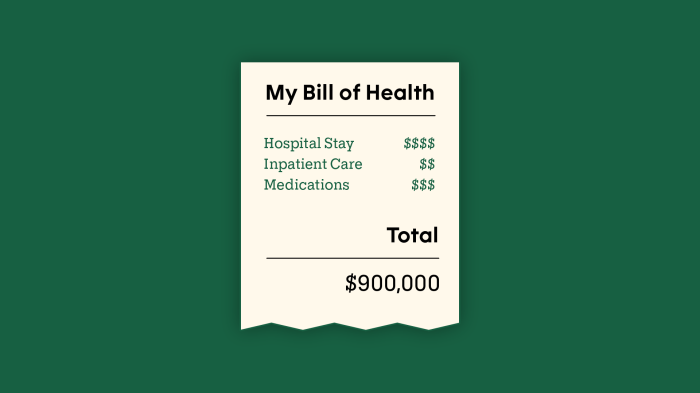
Medical debt is a significant issue that affects a large number of individuals and families across the United States. It refers to the financial obligations incurred as a result of medical expenses, which can include hospital stays, surgical procedures, medication costs, and specialist consultations. The implications of medical debt can be severe, often leading to financial instability, stress, and even bankruptcy.
Many people are forced to make tough decisions about their healthcare due to their inability to pay for necessary services.The accumulation of medical debt is frequently the result of several factors. High healthcare costs, lack of insurance, and underinsurance are primary contributors. Even insured individuals can face substantial bills when their coverage does not fully pay for treatments. Additionally, unexpected medical emergencies can lead to sudden and overwhelming expenses, further compounding the problem.
A survey by the Kaiser Family Foundation found that nearly 1 in 4 Americans have reported trouble paying medical bills.
Common Causes of Medical Debt
Understanding the common causes of medical debt is crucial for recognizing how it affects individuals and families. The following points highlight the primary contributors to medical debt accumulation:
- High Costs of Healthcare: Rising healthcare costs continue to outpace inflation, making medical care unaffordable for many.
- Lack of Insurance Coverage: Millions of Americans are uninsured, leading to higher out-of-pocket expenses for medical services.
- Underinsurance: Even with health insurance, high deductibles or limited coverage can result in substantial bills.
- Medical Emergencies: Unexpected health issues can lead to significant medical expenses that individuals may not be prepared for.
- Chronic Illnesses: Ongoing treatment for chronic conditions can lead to continuous financial strain.
The impact of medical debt extends beyond immediate financial distress. According to a report from the Consumer Financial Protection Bureau, medical debt is the leading cause of personal bankruptcy filings in the U.S. Many people report feeling overwhelmed by their medical bills, leading to anxiety, stress, and strained relationships. In fact, a study by the American Journal of Public Health indicated that medical debt contributes to over 60% of personal bankruptcies.
Medical debt is not just a personal issue; it affects families and communities, highlighting the critical need for effective healthcare reform.
Recent statistics reveal that approximately 41 million Americans have some form of medical debt. This staggering figure underscores the importance of understanding the factors that contribute to medical debt and the broader implications it holds for financial stability and overall well-being. Addressing medical debt requires systemic changes in healthcare policies, as well as financial assistance and education for affected individuals and families.
Role of a Bankruptcy Attorney in Medical Debt Cases
When individuals find themselves overwhelmed by medical debt, seeking the assistance of a bankruptcy attorney can be a crucial step toward financial recovery. These legal professionals specialize in navigating the complexities of bankruptcy law and can offer tailored advice for those specifically struggling with medical expenses. Their expertise is essential in understanding the implications of filing for bankruptcy and the options available to alleviate financial burdens.Bankruptcy attorneys hold several responsibilities when managing medical debt cases.
They provide invaluable guidance throughout the bankruptcy process, ensuring clients comprehend their rights and obligations. From assessing the type of bankruptcy filing that best suits the client’s needs to representing them in court, these attorneys play a pivotal role in achieving a fresh financial start.
Responsibilities of a Bankruptcy Attorney
Bankruptcy attorneys fulfill a variety of essential duties in medical debt cases, including:
- Case Evaluation: A thorough analysis of the client’s financial situation, including reviewing debts, income, and assets to determine eligibility for bankruptcy.
- Advice on Bankruptcy Options: Providing detailed information on Chapter 7 and Chapter 13 bankruptcy, helping clients choose the right path based on their circumstances.
- Document Preparation: Assisting in the compilation and filing of necessary documents, such as bankruptcy petitions and schedules of assets and liabilities.
- Representation in Court: Representing clients during bankruptcy hearings and meetings with creditors to advocate for their interests.
- Negotiation with Creditors: Facilitating discussions with creditors to potentially negotiate settlements or payment plans during the bankruptcy process.
Process of Filing for Bankruptcy Related to Medical Expenses
Filing for bankruptcy due to medical debt involves a series of structured steps that must be followed to ensure compliance with legal requirements. The process typically includes:
- Credit Counseling: Before filing, individuals must complete a credit counseling session from an approved provider, which helps assess financial situations and explore alternatives to bankruptcy.
- Filing Bankruptcy Petition: The bankruptcy attorney prepares and files the petition with the bankruptcy court, including schedules detailing debts and assets.
- Automatic Stay: Upon filing, an automatic stay goes into effect, which halts all collection activities by creditors, providing immediate relief from harassment.
- 341 Meeting of Creditors: A meeting occurs where the debtor answers questions about their financial situation under oath, allowing creditors an opportunity to challenge the filing.
- Discharge of Debts: If the bankruptcy is successful, eligible debts, including medical bills, may be discharged, relieving individuals of their obligation to pay these debts.
Bankruptcy Options for Medical Debt
Individuals burdened with medical debt can choose between several bankruptcy options, each with its unique implications. The two primary types are:
- Chapter 7 Bankruptcy: Often referred to as “liquidation bankruptcy,” this option allows for the discharge of unsecured debts, including medical bills. It is suitable for individuals with limited income and assets that do not exceed state exemptions.
- Chapter 13 Bankruptcy: Known as “reorganization bankruptcy,” this allows individuals to keep their property while repaying debts over three to five years through an affordable payment plan. This option is preferable for those who have a stable income and wish to protect assets from liquidation.
“Bankruptcy offers a pathway to regain control over one’s financial future, especially when medical debt becomes unmanageable.”
Choosing the right bankruptcy option is crucial, and the guidance of a bankruptcy attorney can significantly impact the outcome, ensuring individuals take the necessary steps toward financial freedom.
Navigating Bankruptcy Options
Medical debt can be overwhelming, often leading individuals to consider bankruptcy as a means of relief. Understanding the various bankruptcy options available is essential for making informed decisions. The two most common forms of bankruptcy for individuals are Chapter 7 and Chapter 13, each with its unique processes, benefits, and drawbacks. This guide will help navigate these options in the context of medical debt.
Chapter 7 Bankruptcy Overview
Chapter 7 bankruptcy is designed to provide a fresh start to individuals overwhelmed by debt, including medical bills. In this process, non-exempt assets may be liquidated to repay creditors, allowing for the discharge of most unsecured debts.The benefits of Chapter 7 bankruptcy include:
- Quick Discharge: Most cases are resolved in a matter of months, leading to a quicker relief from debt.
- Elimination of Unsecured Debts: Medical debts, credit card debts, and personal loans can be discharged, freeing individuals from their financial burdens.
- No Repayment Plan Required: Unlike other bankruptcy forms, Chapter 7 does not require a repayment plan, simplifying the process.
However, there are drawbacks to consider:
- Asset Liquidation: Non-exempt assets may be sold to pay debts, which could include valuable property.
- Eligibility Requirements: Income must fall below a certain threshold, and those with higher incomes may be ineligible for this type of bankruptcy.
- Impact on Credit Score: Chapter 7 bankruptcy remains on credit reports for ten years, which can affect future credit applications.
Chapter 13 Bankruptcy Overview
Chapter 13 bankruptcy allows individuals with a steady income to create a repayment plan to pay back all or a portion of their debts over three to five years. This option can be particularly beneficial for medical debtors who wish to keep their assets while managing repayment.The benefits of Chapter 13 bankruptcy include:
- Asset Protection: Individuals can keep their property, including homes and cars, while repaying debts.
- Structured Repayment Plan: Payments are made based on an affordable plan, often allowing for a reduction of total debt owed.
- Improved Credit Recovery: Chapter 13 bankruptcy may have a less severe impact on credit scores than Chapter 7, as it reflects an effort to repay debts.
Drawbacks of Chapter 13 bankruptcy include:
- Longer Process: The repayment plan can last up to five years, which may prolong financial distress.
- Costs Involved: Legal fees and court costs can be higher compared to Chapter 7 due to the lengthy process.
- Eligibility Limitations: There are debt limits, and individuals must have a regular income to qualify.
Selecting a Qualified Bankruptcy Lawyer Specializing in Medical Debt
Choosing the right bankruptcy attorney is crucial for navigating medical debt effectively. A qualified lawyer can provide personalized guidance through the legal complexities of bankruptcy filings.Factors to consider when selecting a lawyer include:
- Experience in Medical Debt Cases: Look for attorneys who specialize in medical debt and have a proven track record of successful cases.
- Transparency in Fees: Ensure that the lawyer is upfront about their fees and potential additional costs related to the bankruptcy process.
- Client Testimonials: Review feedback from past clients to gauge their satisfaction and the attorney’s effectiveness in handling similar cases.
A qualified bankruptcy attorney can make a significant difference in achieving favorable outcomes in medical debt cases, ensuring that individuals have the best chance of starting anew without the burden of overwhelming debt.
Wrap-Up
In conclusion, the journey through medical debt and bankruptcy can be daunting, but with the right guidance from a qualified medical debt bankruptcy attorney, relief is attainable. Understanding the intricacies of bankruptcy options and knowing when to seek professional assistance can significantly influence financial recovery. Remember, you’re not alone—help is available to help you regain control of your finances.
Questions Often Asked
What is medical debt?
Medical debt refers to the amount owed from medical services received, often resulting from unexpected health issues or lack of insurance coverage.
How can a bankruptcy attorney help with medical debt?
A bankruptcy attorney provides legal guidance, helps determine the best bankruptcy option, and assists in filing the necessary paperwork.
What are the types of bankruptcy available for medical debt?
Individuals typically consider Chapter 7 and Chapter 13 bankruptcy, each offering different benefits and implications for debtors.
Will bankruptcy eliminate all medical debt?
While bankruptcy can discharge many medical debts, some obligations may not be eligible, so it’s crucial to consult with an attorney.
How do I choose a qualified bankruptcy attorney?
Look for an attorney with experience in medical debt cases, positive client reviews, and a clear understanding of bankruptcy law.


